
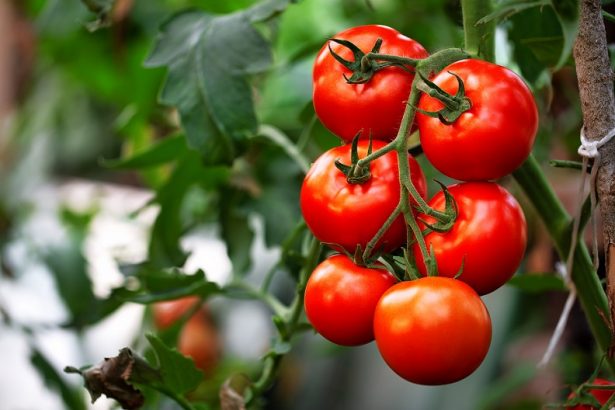
No tomatoes next to your cucumbers: gardening secrets for a more productive planting and vegetable garden
Optimizing Your Vegetable Garden: Maximizing Productivity with Strategic Planting
In today’s fast-paced world, where urbanization and automation dominate, many individuals seek solace in reconnecting with nature through gardening. Whether fueled by passion or a longing for greenery, gardening is steadily gaining popularity, offering not only chemical-free fresh produce but also mental well-being by alleviating stress and anxiety. To enhance the productivity of your garden, we unveil the secrets of plant associations in this article.
Understanding Plant Associations:
Each plant has distinct nutrient requirements, and when planted in close proximity, they interact with each other and their environment. Thus, knowing the right plant combinations is crucial for a thriving garden. Here, we share some essential principles of gardening associations.
- Nutrient Competition: Plants with similar nutrient needs will compete with each other if planted together, hindering their growth and reducing overall yield.
- Pest Management: Rather than resorting to harmful insecticides, strategic planting can deter pests by attracting them to companion plants, safeguarding your precious crops.
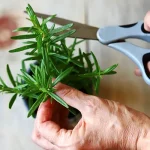 Strong and luxuriant rosemary, the gardener’s tip to ensure longevity of more than 10 years
Beneficial Plant Associations:
Now equipped with the fundamentals of companion gardening, let’s explore some beneficial plant combinations to elevate your vegetable garden’s productivity:
- Tomatoes thrive when planted near carrots, parsley, cabbage, leeks, spinach, onion, and basil. Avoid pairing them with beets, red cabbage, fennel, and peas.
- Zucchini and squash flourish alongside shallots, onions, beans, and peas but should be kept away from cucumbers.
- Enhance strawberry growth by planting garlic, lettuce, shallots, onions, sage, parsley, and leeks nearby, while steering clear of cabbage.
- Carrots thrive when accompanied by garlic, peas, dill, leek, endive, radish, beans, lettuce, tomato, onion, and chives, but should be kept away from beets and mint.
- For a bountiful salad harvest, consider planting dill, beans, beetroot, peas, cucumber, radish, cabbage, tomato, and spinach nearby, while avoiding parsley and sunflowers.
With these insights, you can craft a harmonious and productive garden. For plants not listed here, seek professional guidance to optimize your garden’s potential.